



Texas to Canada Cross-Border Relocation Services
Moving from Texas to Canada is more than a long-distance relocation—it’s an international transition that requires careful planning, organized logistics, and an understanding of cross-border transportation. Whether you’re relocating from Houston to Toronto, Dallas to Calgary, Austin to Vancouver, or San Antonio to Montreal, every move presents unique challenges based on your destination, household size, and relocation goals.
A successful move depends on more than simply transporting belongings. Route planning, scheduling, professional packing, customs preparation, and coordinated delivery all contribute to a smooth relocation experience. Working with an experienced cross-border moving company allows you to manage these elements through a single relocation plan rather than coordinating multiple service providers.
Keep Moving provides residential and commercial relocation services connecting communities across Texas with every Canadian province. From apartments and family homes to executive residences and corporate offices, every relocation is planned according to the customer’s inventory, preferred timeline, and destination requirements.

Texas Movers
Expert Texas Long Distance Movers
(877) 755-7007
https://keepmovingus.com/
Why Choose Keep Moving for Your Texas to Canada Move?
Every cross-border relocation is different. Some customers are moving for new employment opportunities, while others are relocating to join family, pursue higher education, expand a business, or enjoy retirement in a new community. Rather than following a standard moving process, each relocation is planned around the customer’s individual circumstances.
Our relocation solutions include:
- Residential cross-border moving
- Commercial and office relocation
- Long-distance household transportation
- Professional packing and unpacking
- Furniture disassembly and reassembly
- Custom wooden crating for specialty items
- Dedicated and consolidated transportation options
- Secure loading and delivery coordination
- Cross-border moving guidance and shipment planning
From the initial consultation to final delivery, every stage of the relocation is coordinated to help customers move confidently between Texas and Canada.
Target Persona & Community Context
Relocations between Texas and Canada are driven by many different personal and professional circumstances. Understanding these situations helps create a transportation plan that reflects each customer’s priorities.
Families Relocating Across the Border
Families often relocate because of career opportunities, educational goals, or the desire to live closer to relatives. These moves typically involve larger household inventories, children’s furniture, outdoor equipment, and flexible delivery schedules that minimize disruption during the transition.
Whether moving from a suburban neighborhood in Plano to Ottawa or from Calgary to Frisco, careful planning helps families settle into their new home more efficiently.
Corporate and Executive Relocations
Texas is home to major employers in the energy, finance, healthcare, aerospace, manufacturing, and technology sectors. Corporate transfers between Texas and Canadian cities frequently involve strict reporting dates, employer relocation programs, and high-value household furnishings.
Customized scheduling and dependable transportation help support executive relocations while reducing unnecessary handling during long-distance travel.
Technology Professionals
Technology professionals regularly relocate between innovation hubs such as Austin, Dallas, Houston, Toronto, Vancouver, Waterloo, and Montreal.
Many households include:
- Multi-monitor workstations
- Desktop computers
- Networking equipment
- Home office furniture
- Audio and video production equipment
- Smart home technology
Professional packing methods help safeguard these sensitive items throughout the relocation.
Energy and Engineering Workforce
The energy industries in Texas and Canada create frequent workforce movement between Houston, Midland, Calgary, Edmonton, and Saskatchewan. Engineers, project managers, field specialists, and technical consultants often relocate for new assignments or long-term projects.
Flexible transportation options allow these professionals to coordinate their move around project deadlines and reporting schedules.
Students and Academic Professionals
Universities throughout Texas and Canada attract students, researchers, and educators from around the world. Academic relocations often involve apartment moves, shared housing, laboratory equipment, books, musical instruments, and research materials.
Smaller shipment options and flexible scheduling make these moves practical for students and university staff.
Retirees
Many retirees relocate between Texas and Canada to enjoy seasonal living, be closer to family, or embrace a different lifestyle. Downsizing is common, with customers choosing to transport selected furniture, heirlooms, artwork, and sentimental belongings while leaving behind items they no longer need.
Local Highway Transit & Access Logistics
Texas offers one of the most extensive highway systems in North America, making it an ideal starting point for long-distance relocations into Canada. Efficient route selection not only helps improve transit times but also supports safer transportation for household belongings.
Rather than following a single transportation route, each shipment is planned according to the origin city, destination province, seasonal conditions, and accessibility of the pickup and delivery locations.
Interstate 35
Interstate 35 is one of the most important northbound freight corridors in Texas, connecting San Antonio, Austin, Waco, Dallas, and Fort Worth before continuing toward the Midwest and Canadian border crossings. It is frequently used for relocations destined for Manitoba, Saskatchewan, and Ontario.
Interstate 45
Serving Houston and surrounding communities, Interstate 45 connects with major northbound interstate systems, providing efficient access for customers relocating from Southeast Texas.
Interstate 10
Running across southern Texas from El Paso through San Antonio and Houston, Interstate 10 links with several major freight corridors that support shipments traveling to western and central Canada.
Interstate 20
Customers relocating from Midland, Odessa, Abilene, and East Texas often begin their journey along Interstate 20 before connecting with national transportation networks.
Interstate 30
Interstate 30 provides convenient access for households in Dallas and Northeast Texas, connecting with routes commonly used for destinations throughout Central and Eastern Canada.
By selecting the most appropriate highway combination, relocation planners can balance efficiency, accessibility, and delivery scheduling while reducing unnecessary delays.
Highway Routing, Regional Corridors & Seasonal Logistics
Long-distance transportation between Texas and Canada requires more than selecting the shortest distance on a map. Weather conditions, freight traffic, construction activity, mountain terrain, and border processing all influence route planning.
Every relocation is evaluated individually to determine the most suitable transportation corridor based on shipment size, destination, and preferred delivery schedule.
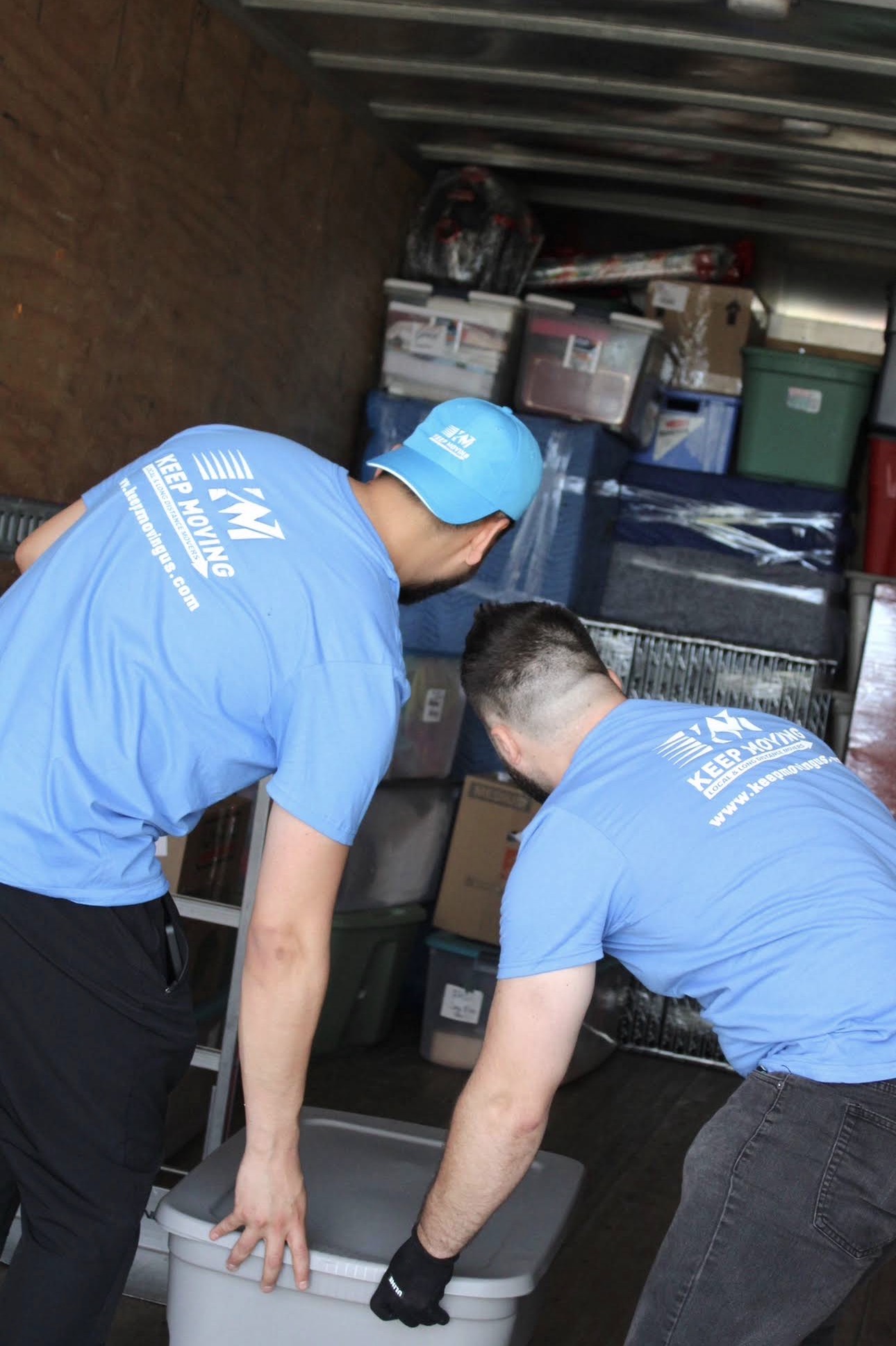
Regional Transportation Planning
Western Canada
Moves to Vancouver, Victoria, Kelowna, Calgary, Edmonton, Red Deer, Saskatoon, Regina, and Winnipeg often travel through western freight corridors that provide reliable access across the central United States before entering Canada through designated border crossings.
Central Canada
Shipments destined for Toronto, Hamilton, Mississauga, Kitchener, Waterloo, London, Ottawa, and Thunder Bay typically use central highway networks that offer efficient connections while supporting scheduled delivery windows.
Eastern Canada
Relocations to Montreal, Quebec City, Moncton, Fredericton, Halifax, Charlottetown, and St. John’s require additional planning because of longer travel distances and regional delivery coordination.
Seasonal Considerations
Cross-border moves may pass through multiple climate zones, making seasonal planning an important part of the relocation process.
Transportation plans take into account:
- Winter snow and ice conditions
- Mountain pass accessibility
- Heavy rainfall
- Spring flooding
- Summer highway construction
- Holiday freight congestion
- Border inspection wait times
Monitoring these factors helps reduce delays and supports more predictable delivery schedules throughout the relocation journey.
Unique Relocation Scenarios & Property Considerations
Every property presents its own logistical challenges, and no two relocations follow exactly the same process. The type of residence, accessibility, household size, and specialty belongings all influence how a move is planned. By evaluating these factors before moving day, transportation can be organized more efficiently and unexpected delays can often be avoided.
Apartment and Condominium Relocations
Urban centers throughout Texas, including Houston, Dallas, Austin, and San Antonio, feature thousands of apartment complexes and condominium communities. Moving from these properties often requires additional coordination with building management.
Planning may include:
- Elevator reservations
- Loading dock access
- Parking permits
- Building move-in or move-out windows
- Security check-in procedures
- Certificates of insurance when required
Coordinating these details in advance helps maintain an organized moving schedule and minimizes disruptions for residents and property managers.
Single-Family Homes
Relocating from a detached home generally provides greater loading flexibility but often involves larger inventories. Household furniture, garage storage, patio furniture, recreational equipment, and multiple bedrooms require careful organization to ensure efficient loading and unloading.
Room-by-room inventory planning also simplifies unpacking after arrival in Canada.
Executive and Luxury Residences
High-value homes frequently contain furnishings and décor that require additional protection during long-distance transportation. These items are evaluated individually to determine the most appropriate handling and packing methods.
Examples include:
- Fine art collections
- Antique furniture
- Designer furnishings
- Marble or glass tabletops
- Grandfather clocks
- Chandeliers
- Wine collections
- Sculptures
- Oversized mirrors
Advance planning helps ensure these specialty items receive the protection they require throughout the relocation.
Ranches and Rural Properties
Texas is home to numerous ranches, farms, and rural residences where accessibility differs significantly from suburban neighborhoods. Long driveways, gravel roads, gated entrances, and limited turning space for large vehicles are common considerations.
Site evaluations help determine the best equipment and loading strategy before moving day, reducing the likelihood of delays.
Multi-Generational Households
Many Texas families share homes across multiple generations. These relocations often involve larger household inventories, heirloom furniture, medical equipment, children’s furnishings, and multiple home offices.
Creating a detailed moving plan helps organize larger shipments while keeping household belongings clearly identified throughout transportation.
Downsizing Before an International Move
Some homeowners choose to reduce the size of their household before relocating. Downsizing allows customers to focus on transporting the belongings they truly value while reducing transportation costs and simplifying the moving process.
Popular items retained during downsizing include:
- Family heirlooms
- Artwork
- Sentimental furniture
- Personal collections
- Important documents
- Everyday household essentials
Industry Persona & Tailored Transfer Scenarios
Relocations between Texas and Canada support a wide range of industries. While every customer has unique goals, understanding industry-specific requirements allows for better scheduling, transportation planning, and inventory management.
Energy, Oil & Gas Professionals
Texas and Canada maintain strong relationships within the energy sector. Engineers, geologists, project managers, and technical specialists frequently relocate between Houston, Midland, Calgary, Edmonton, and Saskatchewan.
Many assignments involve fixed start dates, making dependable scheduling and organized transportation especially important.
Technology & Innovation Professionals
Technology continues to drive workforce mobility between Austin, Dallas, Toronto, Vancouver, Waterloo, and Montreal. Professionals working in software development, cybersecurity, artificial intelligence, cloud computing, and digital media often relocate with advanced office equipment and remote workspaces.
Careful planning helps ensure valuable technology arrives safely and is ready for use after delivery.
Healthcare Professionals
Doctors, nurses, researchers, pharmacists, and allied healthcare professionals often relocate to pursue career advancement, specialized training, or new employment opportunities. Because healthcare positions frequently have defined onboarding dates, timely transportation and reliable communication play an important role throughout the relocation.
Manufacturing & Industrial Employees
Texas has one of North America’s largest manufacturing economies, creating opportunities for workforce transfers between production facilities in both countries.
These moves commonly involve families relocating for:
- Plant expansions
- New production facilities
- Engineering positions
- Supply chain operations
- Quality assurance roles
- Technical management
Entrepreneurs & Small Business Owners
Business owners expanding into Canadian markets often relocate both their household and selected business assets. Home offices, commercial equipment, inventory, and office furniture can be incorporated into a customized transportation plan while maintaining organized shipment records.
Academic & Research Communities
Universities and research institutions throughout Texas and Canada attract professors, graduate students, scientists, and researchers participating in international collaborations.
Academic relocations often include:
- Research materials
- Books and publications
- Laboratory equipment
- Musical instruments
- Educational resources
- Office furnishings
Transportation planning reflects the specialized nature of these items while supporting university timelines.
Customs & Cross-Border Reference
Cross-border household moves involve additional planning compared with domestic relocations because shipments must comply with applicable border procedures. Preparing documentation before moving day helps create a more organized relocation process and supports efficient border clearance.
While government agencies determine entry requirements, relocation planning can begin well in advance by organizing household inventories and gathering supporting documentation.
Preparing for Entry into Canada
Customers moving from Texas to Canada are typically asked to prepare documentation that identifies both the individual and the household goods being imported.
Commonly requested documents may include:
- Valid passport
- Immigration or residency documentation, when applicable
- Detailed inventory of household belongings
- Goods accompanying and goods-to-follow information, where required
- Supporting identification and address information
Maintaining an accurate inventory helps simplify shipment tracking, customs review, and final delivery.
Returning to Texas from Canada
Individuals relocating back to Texas may include returning U.S. citizens, permanent residents, professionals completing overseas assignments, students finishing academic programs, or families beginning a new chapter in the United States.
Preparing identification documents and household inventories before transportation begins allows the relocation process to proceed more smoothly once shipments reach the border.
Organizing Your Household Inventory
An organized inventory serves several purposes beyond customs preparation. It provides a detailed record of household belongings, supports loading and unloading accuracy, and makes it easier to verify deliveries at the destination.
Grouping belongings by room or category—rather than using general descriptions—can simplify inventory management throughout the relocation.
Planning Ahead for a Successful Move
International relocations involve transportation scheduling, property coordination, documentation, and delivery planning. Beginning preparations several weeks before your preferred moving date provides greater flexibility and allows sufficient time to organize each stage of the move.
Early planning also gives customers more options when selecting preferred pickup dates, transportation services, and delivery schedules, helping create a smoother transition from Texas to Canada.
Specialized Packing & Custom Crating Specifications
A successful international relocation depends on more than efficient transportation. Proper packing protects household belongings from vibration, handling, and long-distance travel while helping keep items organized from pickup through final delivery. Because every shipment is different, packing services are tailored to the size of the household, the type of property, and the nature of the items being transported.
Full-Service Packing
Customers who prefer a professionally managed relocation can choose full-service packing. Every room is carefully organized, packed, labeled, and prepared for transportation using high-quality packing materials.
This option is ideal for:
- Large family homes
- Executive relocations
- Busy professionals
- Seniors and retirees
- Time-sensitive moves
Professional packing not only helps protect household belongings but also streamlines loading, transportation, and unpacking.
Partial Packing Solutions
Some customers prefer to pack clothing, books, and personal items themselves while leaving fragile or oversized belongings to experienced movers.
Partial packing services are commonly selected for:
- China and glassware
- Artwork and mirrors
- Decorative items
- Electronics
- Home office equipment
- Collectibles
- Lamps and lighting fixtures
This flexible approach allows customers to choose the level of assistance that best suits their relocation.
Furniture Protection
Large furniture pieces require careful preparation before they are loaded for transport. Protective wrapping and padding help reduce movement during the journey and preserve the condition of household furnishings.
Protection methods may include:
- Heavy-duty moving blankets
- Stretch wrapping
- Protective corner guards
- Mattress bags
- Secure tie-down systems
- Furniture padding
Loading techniques are planned to maximize stability throughout transportation.
Custom Wooden Crating
Certain belongings require additional protection because of their value, size, or fragility. Custom-built wooden crates are designed specifically for these items, providing greater stability during long-distance transportation.
Custom crating is recommended for:
- Fine art
- Antique furniture
- Marble or stone tabletops
- Grandfather clocks
- Sculptures
- Chandeliers
- Oversized mirrors
- Musical instruments
- Glass display cabinets
Each crate is constructed to match the dimensions of the item, helping minimize movement while in transit.
Specialty Household Items
Some possessions require individualized handling because they cannot be packed using conventional methods.
Examples include:
- Pool tables
- Home gym equipment
- Wine collections
- Designer décor
- Large aquariums
- Family heirlooms
- Collectible displays
- Commercial-grade office equipment
Before moving day, these items are evaluated to determine the most appropriate packing and transportation strategy.
Call us at (877) 755-7007
Check what our moving services mean to our customers. Click here for local moving company reviews.